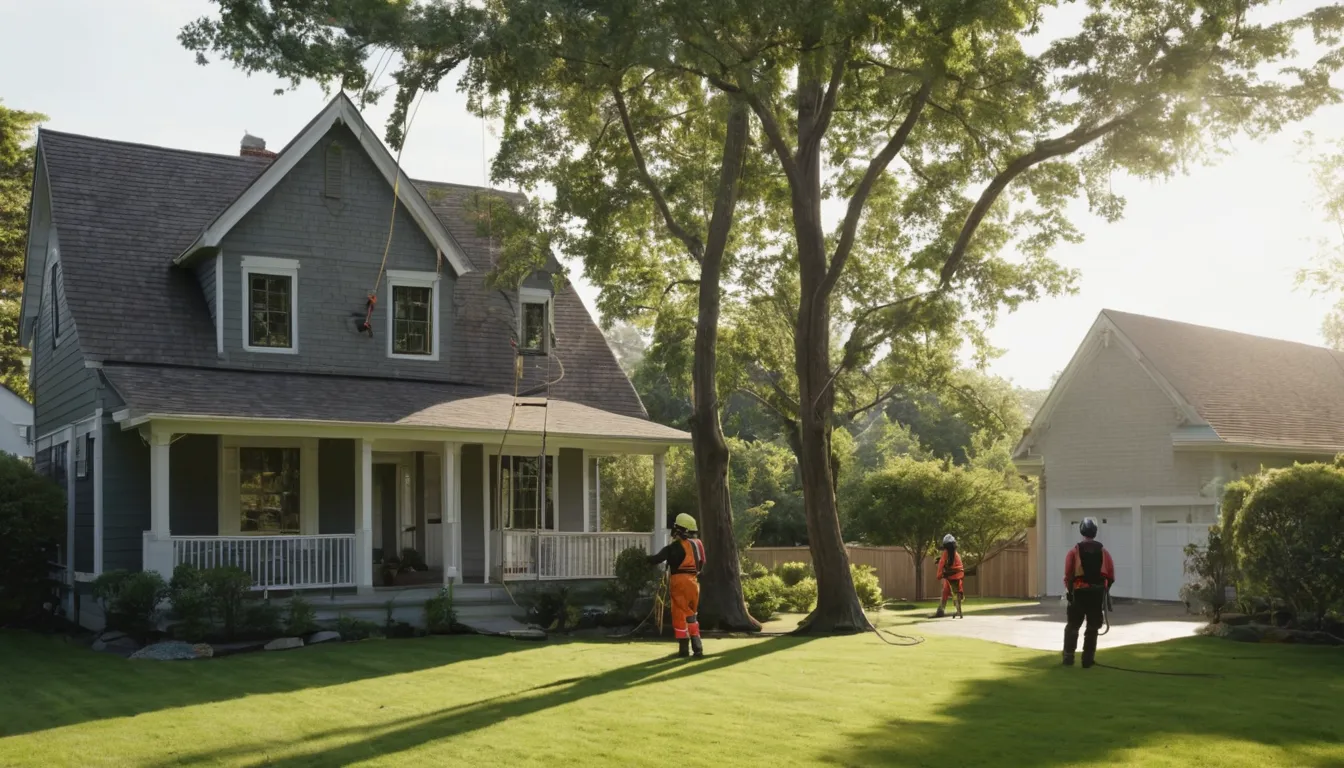
Tree Removal for The Village of Indian Hill Homeowners
Whichdelivered Tree Service is a referral service. We do not cut, climb, or haul. You tell us about the tree, and we pass the details to an independent provider in the The Village of Indian Hill area. That provider decides how to take it down, visits your yard, and writes the quote.
This page walks you through the job in order. It starts with the signs that mean a tree is urgent. Next come the steps, the price factors, permits, and prep. It also shows which small tasks you can do safely and which need trained crews and proper equipment. You are never obligated to hire anyone.
Start Here: How Urgent Is Your Tree?
First, sort the problem. Then act in order. Pick the group that fits.
- Urgent: the tree is on a roof, a car, a fence, or a utility line.
- Soon: deep cracks, a sudden lean, lifted soil at the base, or big dead limbs over a walkway.
- Planned: the tree is dying, shading too much, or in the way of a project.
If a line is down, stay far back and report it to the utility. Do not touch the tree or anything it rests on.
Signs a Tree Should Come Down
Look for these before you decide:
- Bark peeling off in sheets, or fungus growing at the base
- A trunk that split after a storm
- Few or no leaves in summer on one side
- Roots lifting a patio, a walkway, or the soil near the house
One sign alone may be fixable with pruning. Several signs together usually point to removal.
Reasons Homeowners Remove Trees
The reason sets the pace. These are the common ones in our region:
- Damage from severe thunderstorms, hail, or heavy ice
- Dead or diseased wood that drops limbs
- Roots pushing on a sewer line, sump drain, or slab
- A new addition, driveway, or pool
What You Can Safely Do Yourself
You can help in a few ways. First, keep people and pets away from the tree. Next, move cars and patio furniture. Then take photos and note the height and the location of lines.
Leave the cutting to trained crews. Climbing, felling, and any work near power lines need rigging, protective gear, and practice. Even a medium tree can weigh several tons.
Who Does What
Here is the model, stated plainly.
1. You send your request to Whichdelivered Tree Service. 2. We turn it into clear facts: location, tree size, and what it touches. 3. We pass it to an independent provider in our network. 4. The provider contacts you, inspects the tree, and writes the quote. 5. The provider does the work, not Whichdelivered Tree Service.
Call hours vary by provider. Request a callback to check provider availability.
How Tree Removal Works
First: The Site Visit
The provider looks at the tree, the ground, and what is nearby. Fences, roofs, and lines change the plan.
Next: The Written Quote
You get a quote that lists the scope. Written quote first. Then you decide.
Then: Removal Day
Crews often take large trees down in sections, lowering each piece with ropes. Small trees may come down whole. Wood and brush are cut, chipped, or hauled based on what the quote says.
What Affects the Price
Four things move the number most:
- Height and trunk width
- Access, such as a narrow gate or a backyard with no truck path
- Nearby hazards like roofs, lines, and pools
- Haul-away, chipping, and cleanup
Typical ranges are on this page, but every job varies. Get the scope and price in writing.
Permits and Local Rules
Some cities and neighborhoods require a permit for large or protected trees. Others limit removal near streets or utility easements. Check with your city office or homeowner association before work starts. Many providers know the local rules and can tell you what applies.
Choosing a Tree Removal Provider
Use this checklist when you compare quotes:
- Ask for proof of liability insurance and workers' compensation.
- Check that the quote lists cleanup and wood disposal.
- Confirm who handles any permit.
- Ask how the crew will protect your lawn and roof.
- Be cautious of anyone who wants full payment up front.
Getting Ready for Removal Day
Do these in order:
1. Move vehicles out of the driveway and off the street side. 2. Clear toys, planters, and furniture from the work zone. 3. Mark sprinkler heads, buried lines, and sump pump drains. 4. Keep children and pets indoors. 5. Tell neighbors if the crew may need to use their side yard.
After the Tree Comes Down
Walk the yard with the provider. Check that the quote items were done. Look at the fence, the roof edge, and the lawn.
If a stump remains, that is a separate task. Stump grinding is often quoted on its own. Ruts can settle after spring flooding or deep frost thaw, so refill and reseed low spots.
If the tree damaged your home, take photos. Some policies may cover sudden damage, so check your policy. Providers can often help document damage for a claim.
Planning a Replacement
Pick a spot far enough from the house, pipes, and lines. Choose a species that handles cold winters, hot humid summers, and hail. Your local extension office can suggest options.
What's Included
Tree Felling Plan
The provider picks a safe way down, whole or in sections, based on height, lean, and what sits nearby.
Written Quote
Scope and price are put on paper after the provider inspects the tree, so you can compare.
Cut and Cleanup
Many quotes cover cutting, brush chipping, and log haul-away. Confirm each item before you agree.
Storm Clearance
Providers can handle fallen or hanging trees after severe weather. Availability varies, so check early.
Typical Tree Removal Costs
These are typical U.S. ranges. Real prices depend on tree size, access, and risk. Treat the table as a starting point and ask each provider for a written quote.
| Job type | Typical range | Notes |
|---|---|---|
| Small tree, under 30 ft | $200 – $800 | Clear access, no hazards |
| Medium tree, 30–60 ft | $500 – $1,500 | Often cut in sections |
| Large tree, over 60 ft | $1,000 – $3,000 | More crew time and gear |
| Tree near roof or lines | $1,500 – $5,000 | Rigging and extra care |
| Storm-fallen tree on structure | $1,000 – $5,000 | Varies with damage and access |
| Haul-away and chipping | $100 – $500 | Sometimes already in the quote |
How It Works
Describe the Tree
Share the size, location, and any damage or nearby hazards. Photos help.
Get Matched to a Provider
We pass your details to an independent provider in our network.
Review the Quote
The provider inspects the tree and writes a quote. Compare scope and price.
Schedule the Work
If you accept, you book the provider directly. They bring the crew and gear.
Why Call Whichdelivered Tree Service
Plain Referral
We say up front that we connect you with providers and do not do the work ourselves.
Clear Facts
Your request is organized before it is passed on, so you repeat less.
Independent Providers
Local providers set their own methods and write their own quotes. You choose whether to hire.
No Obligation
Requesting an estimate does not commit you to any provider.
Other Services
Need tree removal in The Village of Indian Hill?
Send a request or ask a question. We pass your details to a local provider in our network. There is no obligation to hire anyone.
Tree Removal FAQ
How much does tree removal cost?
Typical U.S. prices run from a few hundred dollars for a small tree to several thousand for a large or hazardous one. Size, access, and nearby structures change the number. Always get a written quote before work starts.
Can I remove a tree myself?
Small saplings, yes. Large trees, no. Felling needs training, rigging, and protective gear, and trees near roofs or power lines are especially risky. Homeowners can help by clearing the area and taking photos.
Do I need a permit to cut down a tree?
It depends on your city, neighborhood, and the tree. Some places protect large or street-side trees. Check with your local city office or homeowner association, and ask the provider what they know about local rules before work begins.
Get in touch
Send a request or ask a question. We pass your details to a local provider in our network. There is no obligation to hire anyone.
No obligation